
Natural light or studio light for your kid's headshot?
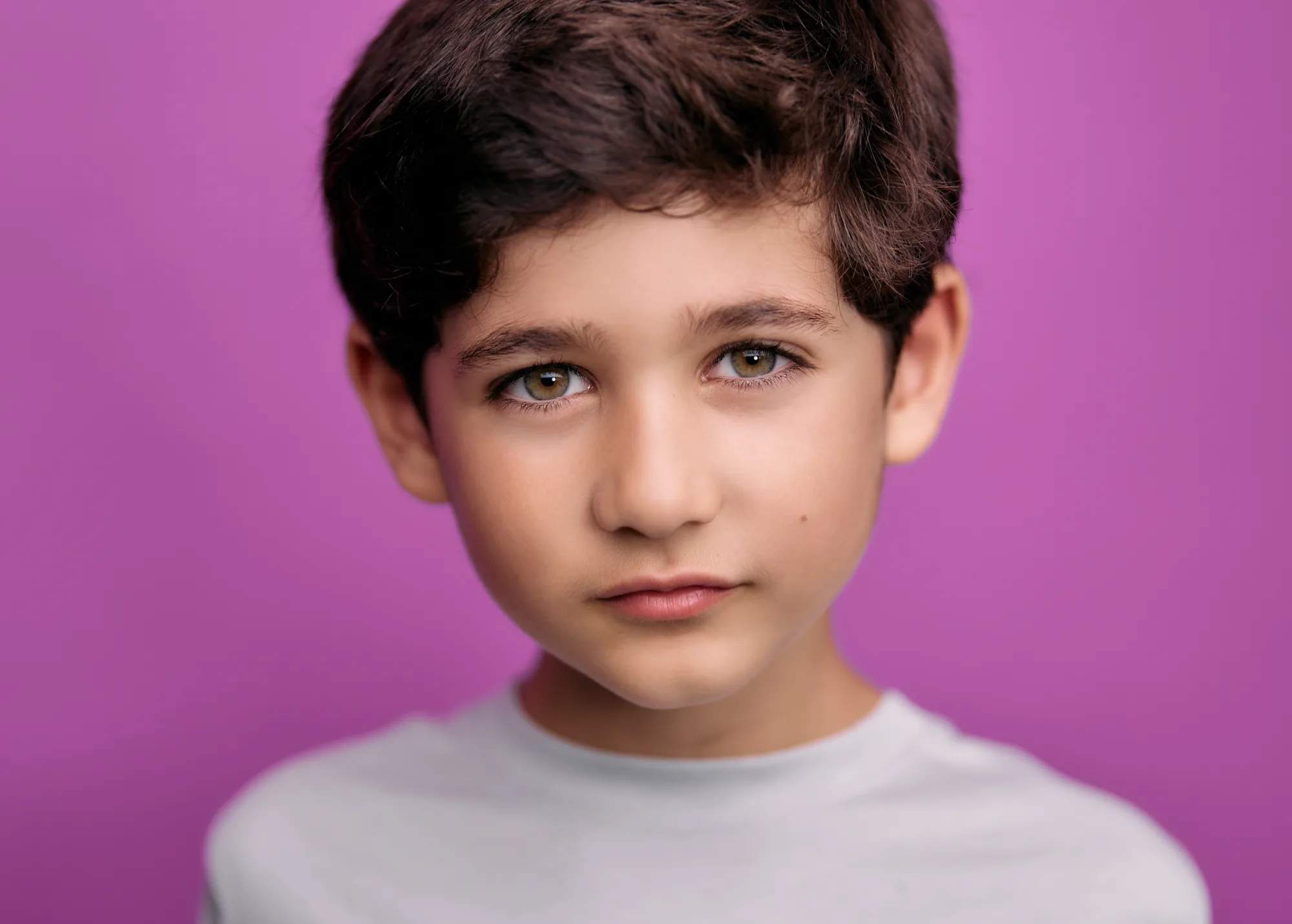
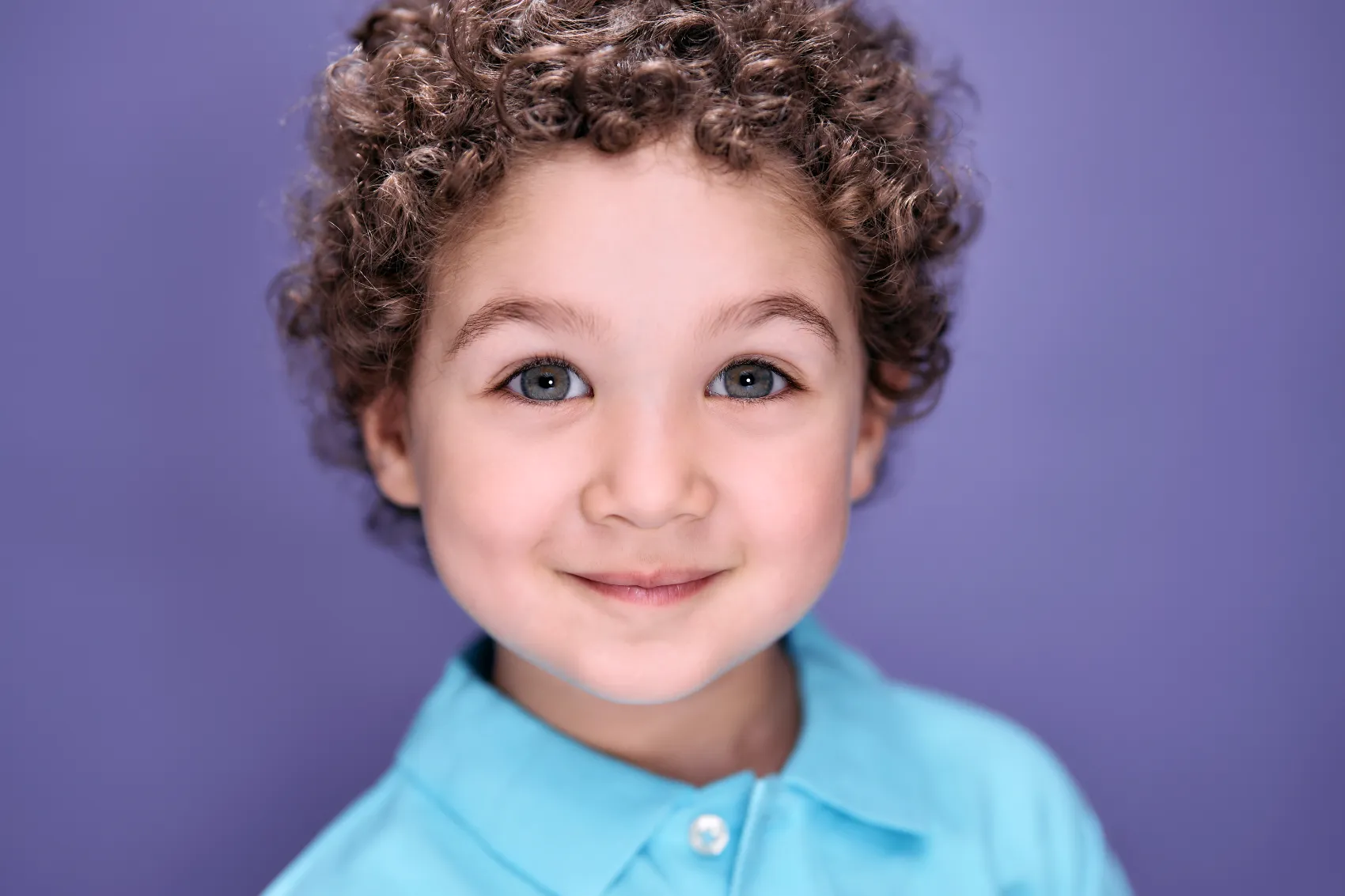
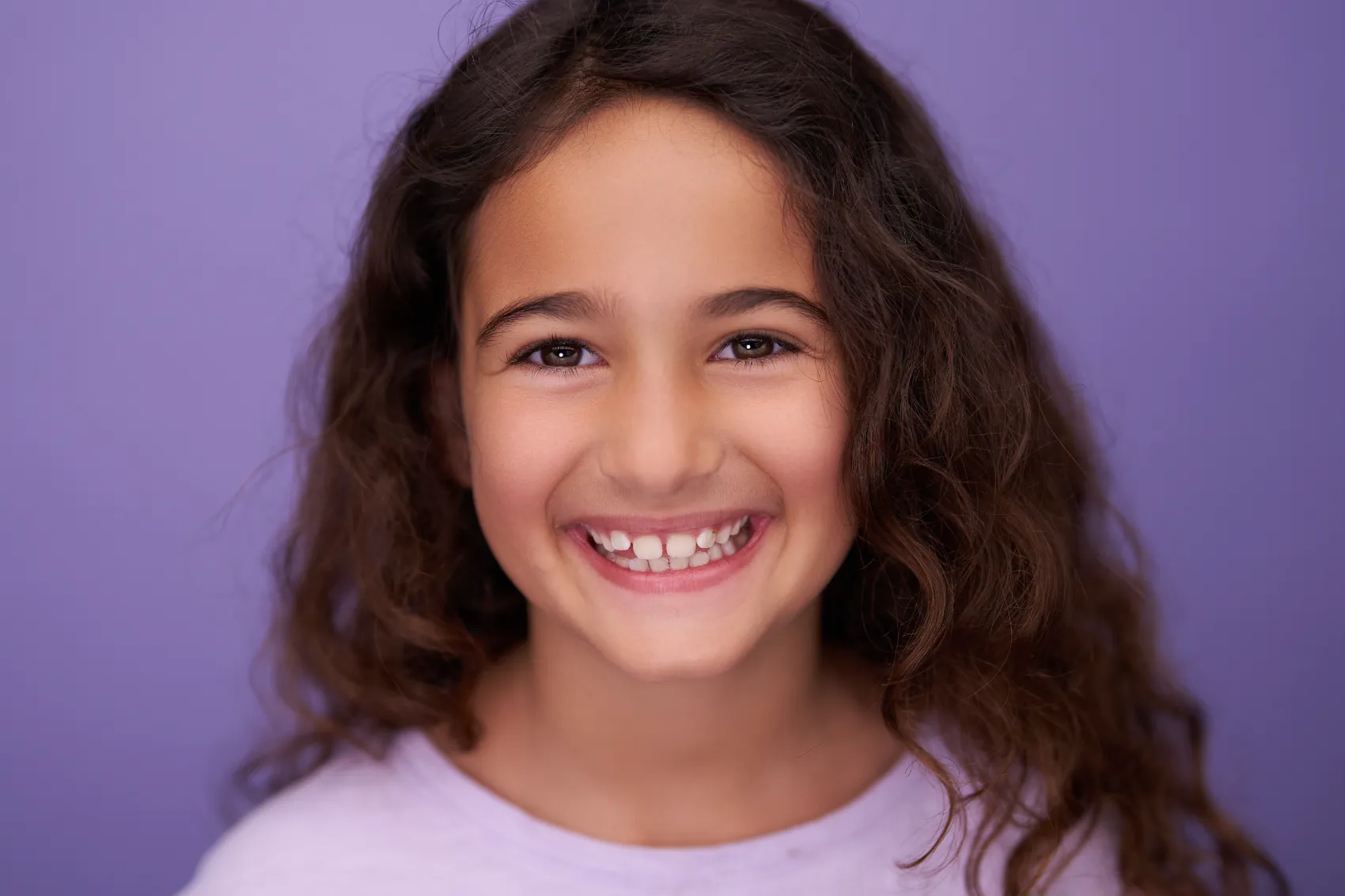
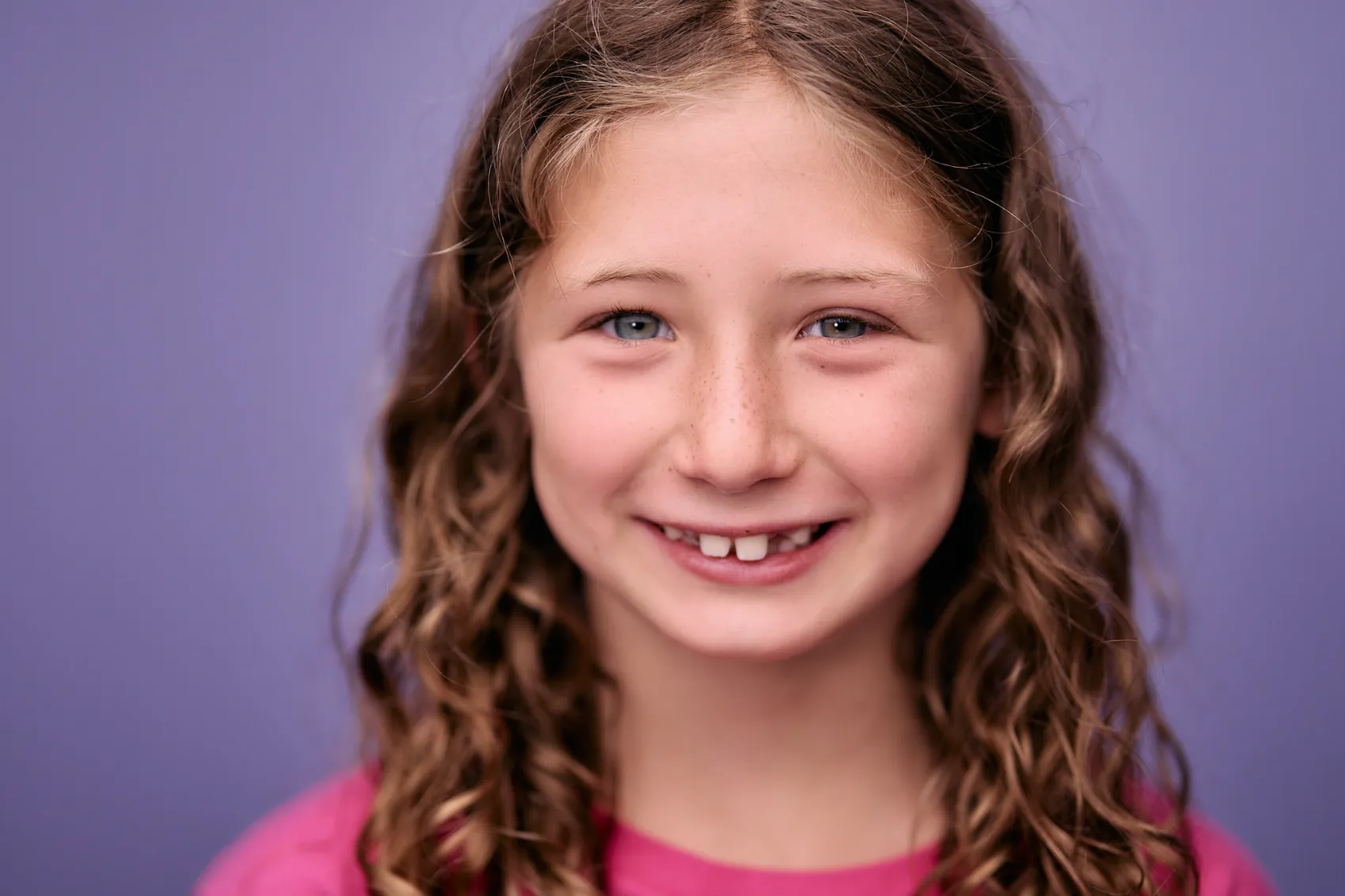
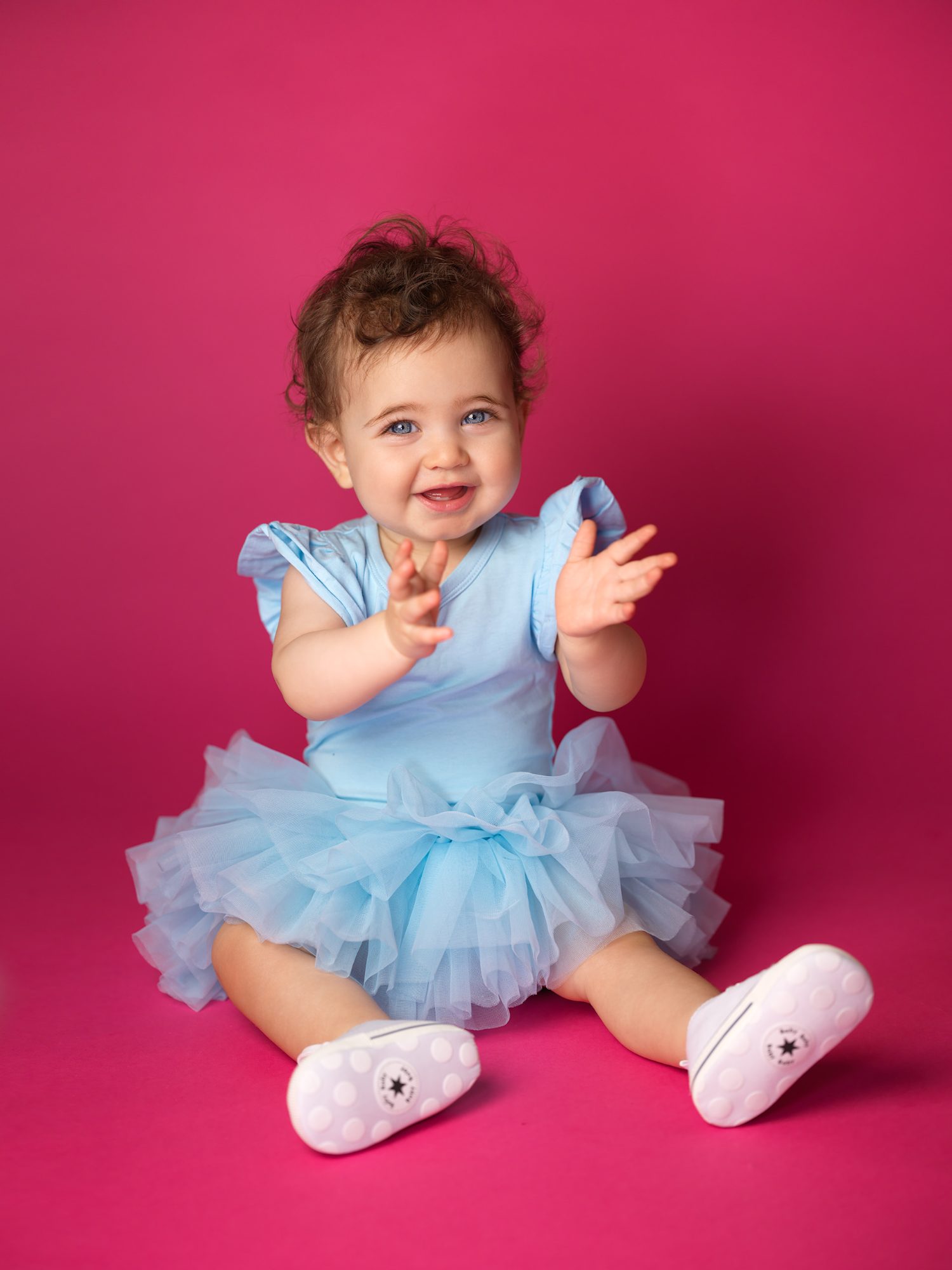
Most kids headshots in Los Angeles are shot by a window or in a doorway. That is not an accident and it is not a crime. I shoot on continuous LED light through a large softbox instead, in a studio, and I chose that on purpose after twenty years of lighting people for a living. This page explains why, from a kids headshot photographer's side of the camera: what the tradeoffs are, and what it means for your kid on the day.
Why daylight became the default
Daylight is free. It needs no equipment, no lighting experience, and no studio. A north-facing window, a white wall and a reflector will produce a soft, flattering photograph of a patient adult on a good morning, and that is where most headshot photographers start. In Los Angeles the case is even stronger. The light here is famous, there is a lot of it, and plenty of photographers moved to this city for it.
When kids headshots became a market of their own, a lot of photographers moved into it with the setup they already had. Daylight became the norm because it was convenient, not because anyone tested it against the alternatives with a five year old in the chair.
The case for it, made honestly
Daylight is soft and even. It is easy on the eyes. There is no flash, so a child never braces for a pop of light. And it lets the photographer shoot at a wide aperture, which blurs the background and makes the face stand out. I wanted all of that. I just did not want to depend on the weather for it.
What daylight costs you, and why it costs a kid more
Daylight moves. Over a forty minute session the color of the light drifts warmer or cooler, a cloud takes a stop of brightness away and gives it back, and the direction shifts as the sun tracks. A photographer can chase it, and the good ones do. But it means look one and look three were lit differently.
It also means the update you book in eight months, when your kid has grown and lost two teeth, will not match the set you already have. Casting profiles hold several images side by side. They should look like they came from the same place.
An adult will wait for the cloud to pass. A four year old will not.
A child has a window of maybe fifteen minutes of real attention before they need a break, and the light has to be right during that window, every time, not when the weather decides. I did not want the best frames of a session to depend on what the sky was doing at 10:40.
And daylight lives where the window is. It cannot be moved to the other side of the face, raised, lowered, made bigger for a rounder face or smaller for a longer one. A headshot has to hold up as a two inch thumbnail next to two hundred others, and small decisions about where the light falls decide whether the eyes read at that size.
The usual argument is daylight versus flash, and each side is describing the other's weak point accurately.
The two camps, and what each one gets right
Soft, even, and nothing flashes. A child never learns when the picture is taken, so the expressions stay real. Wide apertures blur the background. The cost: it drifts, it lives where the window is, and it cannot be repeated next year.
Total control and plenty of power. Every look is repeatable and the light goes exactly where the photographer wants it. The cost: a strobe is dark until the instant of the shot, then very bright. Kids learn the rhythm in three frames and start performing for the flash.
Flash also pushes photographers toward small apertures, which is why studio headshots so often have every hair and every fold of the backdrop in equal focus. That is the look the natural light camp is reacting against, and they are right to. What neither side says is that there is a third way.
What I do instead
I light with continuous LED. The lights are on the whole time, at one color temperature and one brightness, through a [softbox size] softbox that is close to the child and much bigger than their face. Reflectors fill from below. That is the whole setup, and it was designed to keep every advantage of daylight and remove every reason I did not want it.
It is constant
Nothing changes between the first frame and the last, between look one and look three, or between this session and the one next year. Every kid, every skin tone, every session is lit the same way, and I can promise you that in advance.
It is controllable
I can move the light, angle it, raise it, soften it further or bring it in for more shape, in seconds, and see the result live because the light is already on. A kid with a round face and a kid with a long face get different light without either of them knowing anything happened.
There is no flash
The room is bright and it stays bright, so a child never learns when the picture is being taken. They stop waiting for it and go back to being a kid who is talking to me, which is exactly what the natural light photographers are chasing by a window. I get the same thing, with the light where I put it.
The face pops
Continuous light is less powerful than a strobe, and photographers who prefer flash will tell you that as a weakness. For a headshot it is the point. On a [lens and aperture] the focus falls off right at the ears, so the eyes and the front of the face are tack sharp and the background and the edges go soft. That is the blurred-background look the daylight camp says you cannot get in a studio. You can. You just cannot get it with flash.
What bright light does to a kid
This is the part I did not expect when I built the studio, and it turned out to matter as much as the technical side.
A big soft light close to a child is not a normal environment. It is bright, it is warm, and it is bigger than life. Kids feel that. They sit down and the room tells them something is happening, that this is a moment and they are the center of it. It is a little like a stage. Shy kids sit up. Show-offs settle, because they already have the attention they were reaching for. Both of them look at me with a face I could not get from them in a living room, and both go home having done something that felt like an event.
The pattern is the same every time: children rise to an occasion when the occasion is clearly marked and clearly safe.
Daylight is safe but it does not mark anything. Flash marks the occasion but not safely. A bright, steady, big light does both.
The honest tradeoffs
Continuous light is not magic and I would rather you hear its limits from me.
Less power than flash
So I work at higher ISO and wider apertures than a strobe photographer would. On a modern full-frame sensor at 61 megapixels that costs nothing you will ever see, and the wide aperture is what I wanted anyway. If I needed to freeze a kid mid-jump at f/11, I would use flash. I am photographing a face that is holding still for a second, and a shutter speed fast enough for that is easy.
A bright light can make a child squint
If it is small and far away. Mine is large and close, which turns it into a wall of soft light rather than a point, and nobody squints at a wall. That is also the answer to "harsh and clinical". Harsh light is a modifier choice and a skill problem, not a property of studios.
There is no golden hour in my studio
If what you want is your kid on a Los Angeles beach at golden hour, that is a portrait, it is beautiful, and it is not what a casting director is looking for in a thumbnail. Headshots are a different job with a different set of rules, and I built the room for that job.
What it means on the day
Your kid walks into a bright room and sits down in front of a big soft light. There is no bang, no pop, nothing to wait for. I talk to them the whole time and I shoot fast, and after a few minutes they forget the camera is doing anything. When we change the backdrop color or the top, the light does not change, so the second look matches the first. When you come back next year, it will match again.
You sit off to the side with an iPad, seeing the frames as they happen, and you will notice that the light on your kid's face looks the same in the first frame and the last. That is the whole argument, made in one afternoon.
Questions parents ask about the lighting
Is studio light harder on kids than daylight?
Flash can be. A steady light is not. Nothing flashes in my studio, and the light is large and soft, so there is nothing to blink at and nothing to anticipate.
Can you get the blurred background look without natural light?
Yes. That look comes from a wide aperture, not from daylight. Continuous light lets me shoot wide open, so the face is sharp and everything behind it softens.
Why does consistency matter for a kid's headshot?
Because kids need new headshots every six to twelve months and casting profiles show several images together. Images lit the same way read as one set. Images shot in different daylight do not.
Do you ever shoot by a window?
Not for headshots. I can make a beautiful portrait by a window, but a headshot has to be repeatable and controllable, and a window is neither.
Does the bright room bother sensitive kids?
It has not in my experience, because the light is soft and it never changes. For kids with sensory sensitivities I set the light before they walk in, keep it at the level they are comfortable with, and never surprise them with anything. Tell me in advance and we plan around it.
That is the case for studio light, from a kids headshot photographer in Los Angeles who has shot it every way. Pricing and what every package includes are on the pricing page. What to bring is on the wardrobe page.